Understanding the Basics of 용인출장마사지
In today's fast-paced world, where stress and anxiety often reign, the demand for massage therapy has surged. Among the various forms of massage, 용인출장마사지 (Yongin massage therapy) is gaining popularity due to its convenience and effectiveness. This article delves into the fundamentals of Yongin massage therapy, the benefits it offers, and how to choose the right techniques for your needs.
What is 용인출장마사지?
용인출장마사지 refers to a mobile massage service tailored to the residents of Yongin, South Korea. This service allows clients to enjoy professional massage therapy in the comfort of their own homes or chosen locations. With trained therapists coming to you, the experience is not only relaxing but also time-efficient, catering to busy lifestyles.
Benefits of Professional Massage Therapy
Professional massage therapy provides numerous health benefits including:
- Stress Reduction: Regular massages help reduce stress levels by promoting relaxation and wellbeing.
- Pain Relief: Massage therapy can alleviate chronic pain, whether from injuries, muscle tension, or conditions like arthritis.
- Improved Circulation: Massaging increases blood flow, enhancing nutrient supply and oxygenation to various body parts.
- Enhanced Flexibility: It helps in loosening tight muscles, improving range of motion and overall flexibility.
- Better Sleep: Massage can improve sleep patterns by reducing anxiety and promoting relaxation.
Choosing the Right Massage Techniques
The effectiveness of a massage can vary significantly based on the techniques used. It’s crucial to communicate with your therapist about your needs and preferences. Common techniques include:
- Swedish Massage: Great for relaxation and overall body stress relief.
- Deep Tissue Massage: Targets deeper layers of muscles and connective tissue, ideal for chronic pain sufferers.
- Sports Massage: Specifically designed for athletes, focusing on areas of the body that are overused or stressed from repetitive movements.
Essential Techniques for Effective Massage
Deep Tissue vs. Relaxation Techniques
Understanding the difference between deep tissue and relaxation techniques is essential in selecting the right form of therapy. Deep tissue techniques focus on realigning deeper layers of muscles and connective tissue, perfect for chronic pain and injury recovery. On the other hand, relaxation techniques, like Swedish massage, prioritize overall relaxation and stress relief, making them suitable for those simply looking to unwind.
Incorporating Aromatherapy in Massage
Aromatherapy can enhance the massage experience by adding therapeutic scent to the environment. Essential oils such as lavender and eucalyptus are popular choices, known for their calming and healing properties. When incorporated thoughtfully, these scents can promote deeper relaxation and even improve the effects of the massage itself.
Understanding Pressure Points and Their Benefits
Pressure points are specific areas on the body that, when stimulated, can alleviate tension or pain in other areas. For example, pressing on the neck can help relieve headaches. Learning about these points can empower clients to maximize the benefits of their massage sessions and discuss targeted treatment options with their therapists.
Setting the Right Ambiance
Choosing the Perfect Location for Service
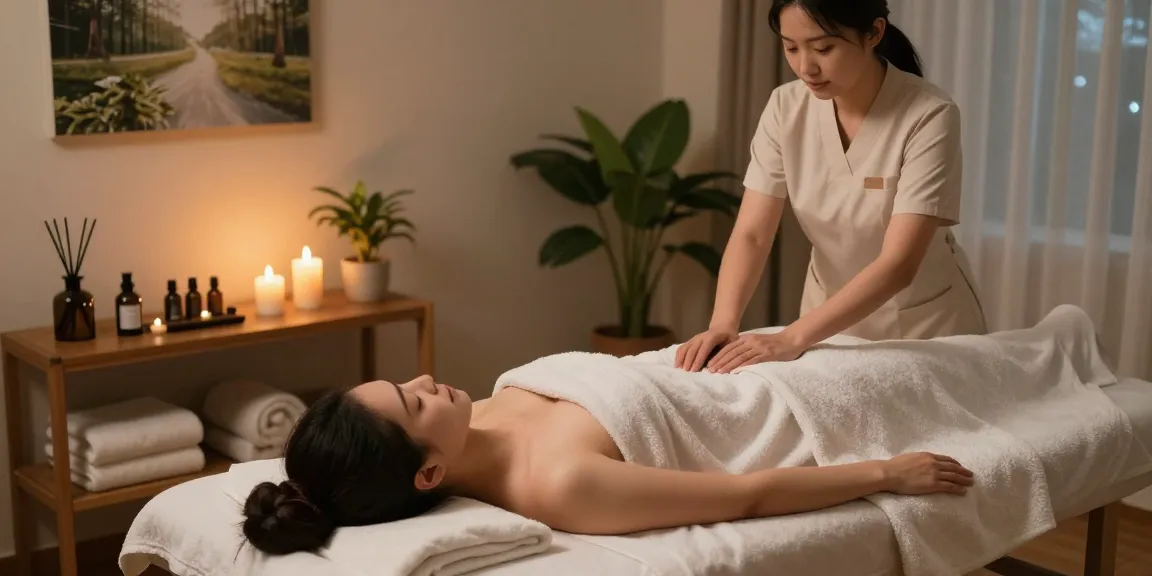
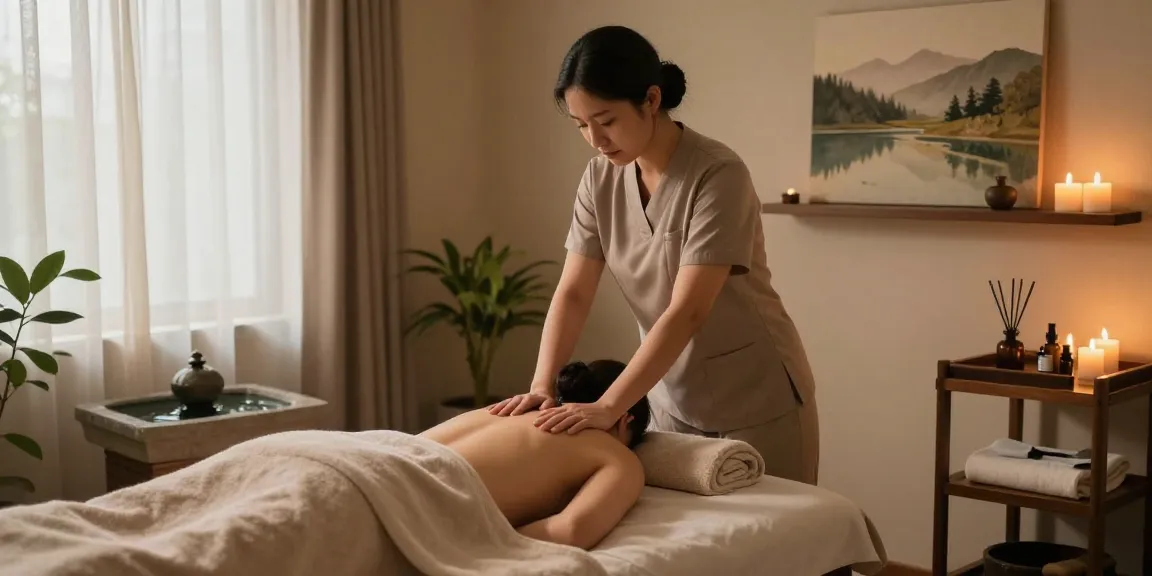
Ambiance plays a crucial role in the effectiveness of a massage. Choosing a peaceful, clutter-free space can help set the mood for relaxation. Ensure the area is well-ventilated, quiet, and free from distractions to enhance the therapeutic effects of the session.
Essential Oils and Their Impact on Relaxation
The use of essential oils can significantly impact the relaxation benefits of massage. Oils like lavender, chamomile, and sandalwood are known for their calming effects. Utilizing a diffuser can help disperse these scents into the air, creating a soothing atmosphere for your massage therapy.
Creating a Calming Environment
To foster a calming environment, consider elements such as soft lighting, comfortable seating, soothing music, and even low temperatures. Each of these factors helps to create a serene atmosphere that enhances the overall massage experience.
Client Experience and Satisfaction
Communicating with Clients Pre-Massage
Effective communication before the massage session is vital. Therapists should inquire about any specific client concerns, preferences, and health conditions that may affect the massage. This dialogue ensures that the therapist can tailor the session to best fit the client’s needs.
Post-Massage Care for Clients
Post-massage care is just as important as the massage itself. Clients should be advised to drink plenty of water to help flush out toxins released during the massage. They may also receive recommendations for stretches or exercises to prolong the benefits of their session.
Gathering Feedback for Continuous Improvement
Feedback from clients is essential for enhancing service quality. Therapists should encourage clients to share their thoughts about the session, which can be invaluable for future improvements and ensuring client satisfaction.
Future Trends in Massage Therapy
Integrating Technology into Massage Practices
The future of massage therapy is expected to be shaped heavily by technology. Innovations such as virtual reality may enhance relaxation experiences, allowing clients to immerse themselves in calming environments during their sessions. Additionally, apps that track pain levels and provide personalized recommendations could revolutionize how clients approach massage therapy.
Emerging Wellness Trends for 2026
As wellness culture continues to evolve, trends such as holistic health practices, personalized therapy sessions, and the integration of mental health support into massage therapy will likely become more prevalent. These trends highlight the growing recognition of the interconnectedness of physical and mental wellbeing.
Predictions for the Future of Massage Therapy
Looking ahead, the massage therapy industry may see an increase in personalized services, with therapists using data analytics to tailor experiences to individual client needs. Furthermore, the incorporation of wellness coaching into traditional massage services could provide clients with a more comprehensive approach to health and wellbeing.
How can I find a qualified massage therapist?
Researching qualified therapists is crucial. Look for credentials, client testimonials, and specialized training in techniques that meet your needs. Online platforms and local wellness centers can be good starting points.
What should I expect during my first massage?
During your first massage, expect an initial consultation where you can discuss your medical history and any areas of concern. The therapist will explain the process and answer any questions you have before beginning the session.
Are there any contraindications for massage therapy?
Yes, certain conditions may contraindicate massage therapy, such as severe osteoporosis, recent surgeries, or skin infections. Always consult with a healthcare provider or your therapist to determine if massage is appropriate for your situation.
How to maintain wellness between sessions?
Between sessions, engage in regular exercise, maintain a healthy diet, and practice stress-reduction techniques such as yoga or meditation. This proactive approach can enhance your overall wellness and the benefits received from massage therapy.
What should I look for in a massage service?
When selecting a massage service, consider the therapist's qualifications, the range of techniques offered, and client reviews. A reputable service should prioritize hygiene, client safety, and comfort, providing a welcoming environment for all.